The .PAY Wake‑Up Call: Why Transaction‑First Domains Just Became 2026’s Most Overlooked Fintech Moat
You can spend months improving onboarding, shaving seconds off checkout, and tweaking pricing, then lose the sale because your payment link looks sketchy. That is the quiet frustration a lot of founders are dealing with right now. Customers say they want convenience, but what they really want first is reassurance. If your billing page lives on a clunky subdomain, a long third-party URL, or something that feels disconnected from your brand, people hesitate. Some bounce. Some open a new tab and search your company name to make sure the page is real. Some never come back. That hurts conversion. It also hurts trust, support costs, and long-term customer value. A good .pay domain is not just a branding move. It is a trust signal sitting right at the moment money changes hands. And in 2026, with fraud fears up and new domain windows opening, that small signal is starting to look like a real moat.
⚡ In a Hurry? Key Takeaways
- A .pay domain can improve checkout trust by making payment links look intentional, branded, and easier to verify.
- If you run payments, billing, wallets, or invoicing, check Sunrise eligibility and secure your best transactional names now, not later.
- The real value is not hype. It is lower phishing confusion, stronger brand protection, and a cleaner path as new domain extensions flood the market.
Why this matters more than most founders think
People do not inspect every technical detail on a checkout page. They scan for cues. Brand name. Lock icon. Familiar design. Clean URL. When one of those feels off, confidence drops fast.
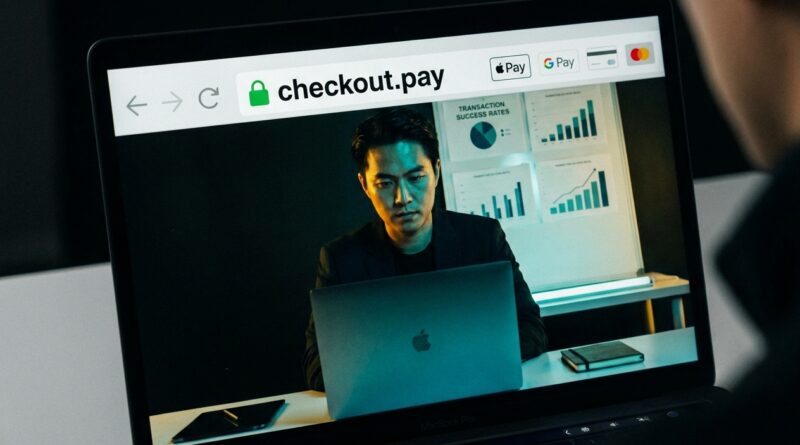
That is why the domain itself matters. A payment page at something like checkout.brand.pay or invoice.brand.pay tells a much cleaner story than a long processor URL stuffed with random strings. It feels planned. It feels official. That matters when people are deciding whether to type in a card number or approve a bank transfer.
Founders often treat domains like a marketing issue. For payments, it is closer to product design and risk management. The URL is part of the user experience. It is also part of your defense against impersonation and customer doubt.
The .pay domain is not just branding. It is transaction design.
A good payment experience removes tiny moments of hesitation. The right domain can do that in a way ads and copy cannot.
Trust at the point of payment
The customer may have trusted you enough to start a trial. Paying is a different emotional step. That is when fraud stories pop into their head. That is when they wonder if the invoice email is genuine. A .pay domain gives you a cleaner, more obvious transaction identity.
Think of it this way. Your homepage can be broad. Your payment domain should be specific. Specificity reduces mental friction.
Better consistency across billing flows
Many teams have a mess of payment touchpoints. Subscription management on one URL. Invoices on another. Wallet top-ups somewhere else. Refund status on a support portal. This confuses users and creates room for phishing lookalikes.
A structured setup like billing.brand.pay, invoices.brand.pay, or secure.brand.pay makes your transaction flow easier to recognize and easier to teach customers.
A domain can support conversion
No, the extension alone will not magically raise revenue. But if it reduces hesitation at checkout, lowers abandoned payments, and cuts “is this link real?” support tickets, it can improve the numbers that actually matter.
Why 2026 changes the timing
This is the part many small teams are missing. The market for useful domain names is shifting again. The 2026 new gTLD wave has moved from abstract talk to real application windows and active positioning. At the same time, .pay is in a live Sunrise phase. That means strong names are being claimed while many operators are busy with product sprints, fundraising, and compliance work.
If you want a plain-language breakdown of that opportunity, The .PAY Land Grab: Why Payment Domains Just Became 2026’s Most Underpriced Fintech Edge makes the core point well. The short version is simple. Good transactional names do not stay available forever, and they are often most valuable before the crowd notices them.
Who should care about a .pay domain right now
This is not only for giant payment processors.
Payments startups
If you move money, issue payment links, or handle merchant checkout, a payment-specific domain can make your trust story stronger from day one.
SaaS billing teams
If your product sends invoices, dunning emails, renewal notices, or subscription management links, a .pay domain can make those touchpoints look more official and less like generic billing spam.
Wallets and fintech apps
If users fund balances, cash out, or approve transfers, a clean payment domain can help separate core money actions from the rest of your product.
Platforms and marketplaces
If you manage split payouts, seller settlements, or partner billing, a dedicated payment namespace can reduce confusion for both sides of the marketplace.
What makes a payment domain actually useful
Not every good-looking domain is helpful. The best ones are clear, short, and easy to verify when seen in an email, app, or browser bar.
Pick names that match real user actions
Good examples include:
checkout.brand.pay
billing.brand.pay
invoice.brand.pay
secure.brand.pay
wallet.brand.pay
These work because users instantly understand what they are for.
Avoid clever names that create doubt
If a domain needs explanation, it is probably not ideal for transactions. Payment moments reward clarity, not wordplay.
Think about email too
A payment domain is not just for landing pages. It can also support customer-facing communication, if used carefully. A renewal notice from a consistent billing domain is easier for customers to recognize than one sent from a random vendor address.
How .pay helps with phishing confusion
Phishing succeeds when users are rushed, distracted, or unsure what your real payment flow looks like. A dedicated payment domain gives you a chance to teach customers a simple rule.
For example: “We only send payment links from brand.pay.”
That kind of rule is easy to remember. Easy rules are useful rules.
It does not replace security controls, of course. You still need HTTPS, email authentication, fraud monitoring, and strong account protection. But a clean and predictable domain setup makes those protections easier for users to understand.
Do not ignore the legal side
This is where some teams get caught flat-footed. A domain strategy is partly about names, but it is also about rights.
Sunrise exists for a reason
Sunrise phases are built to give trademark holders an early path to register matching names before general availability opens up. If your brand is protected and eligible, this may be your best shot at securing a high-value .pay domain without fighting through a later scramble.
Brand protection matters more in payments
If your business handles money, impersonation risk is not theoretical. A domain that resembles your payment flow can be used to trick customers, suppliers, or merchants. That makes trademark review and defensive registrations much more than paperwork.
Talk to counsel early if the name matters
If a name is central to your billing flow or core product trust, spend the extra hour with legal counsel or your brand protection team. That is much cheaper than cleaning up confusion later.
A simple way to decide if this is worth doing
Ask yourself four questions.
1. Do customers regularly see your payment URLs?
If yes, the domain matters more than you think.
2. Do users ever hesitate, ask support, or delay payment because a link looks unfamiliar?
If yes, that is a trust problem begging for a cleaner setup.
3. Would a competitor or scammer benefit from owning a close version of your payment identity?
If yes, defensive action is smart.
4. Do you have one or two names that would clearly improve your checkout or billing flow?
If yes, now is the time to check availability and eligibility.
Practical next steps for founders this week
You do not need a six-month brand project. Start small and focused.
Step 1: List your money moments
Write down every place a customer sees a payment, billing, invoice, renewal, wallet, or payout URL.
Step 2: Find the trust gaps
Look for ugly processor URLs, inconsistent subdomains, and links that do not match the brand users expect.
Step 3: Choose one primary .pay domain use case
Do not try to rebuild everything at once. Start with the flow that handles the most revenue or causes the most hesitation.
Step 4: Review Sunrise and trademark status
Check whether your brand qualifies and whether your ideal names are available. If they are, do not assume they will sit there for months.
Step 5: Build a customer education rule
Once live, tell users exactly what official payment links look like. Keep the message simple and repeat it in invoices, help docs, and support replies.
At a Glance: Comparison
| Feature/Aspect | Details | Verdict |
|---|---|---|
| Checkout trust | A .pay domain makes payment URLs look more official, easier to recognize, and less like an afterthought. | Strong reason to adopt for customer-facing payment flows. |
| Brand protection | Sunrise access and trademark alignment can help secure key names before broader demand increases. | Important if payments are core to your product or reputation. |
| Operational impact | Best used to simplify billing, invoice, wallet, and checkout links while reducing customer confusion. | Most valuable when paired with clear user education and proper security controls. |
Conclusion
The smart play here is not to chase every shiny new extension. It is to notice where trust actually breaks. For many fintech, SaaS billing, and wallet teams, that break happens right at the payment link. This helps the community today because .pay is in a live Sunrise phase and the broader 2026 new gTLD wave has finally moved from theory to application windows, which means the best transactional names are quietly being taken while most small teams are distracted. By understanding how payment-themed TLDs, legal brand protections, and user-facing trust signals fit together, readers can make one or two domain decisions this week that materially improve checkout trust, reduce phishing confusion, and future-proof their payments brand against the coming flood of new extensions.