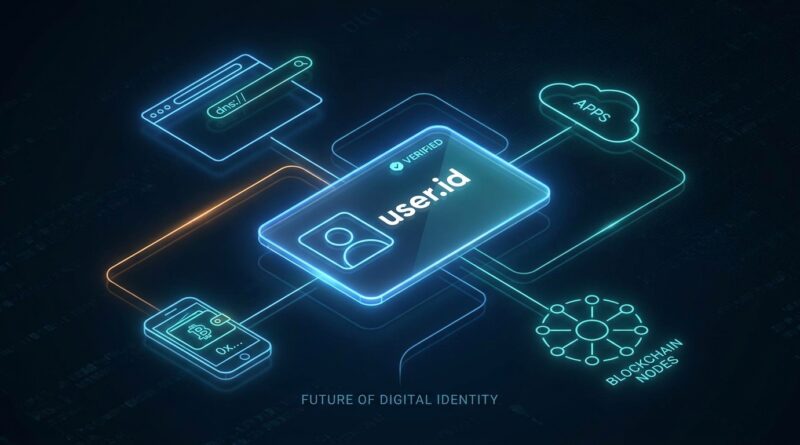
The Hidden .ID Gold Rush: Why Identity‑First Domains Are Quietly Becoming 2026’s Smartest On‑Ramp For AI And Web3
Founders are tired of duct-taping identity together. One login for the app. Another for the wallet. A profile system that breaks the moment a user switches chains, devices, or countries. It is messy, expensive, and worst of all, it chips away at trust. Users do not care how clever your stack is if signing in feels risky or confusing. That is why identity domain extensions .id are starting to matter more than the flashy names grabbing headlines. While everyone else fights over AI and crypto buzzwords, a quieter land grab is happening around clean, human-readable identity names that can anchor profiles, wallets, credentials, and brand trust in one place. This is not just a domain bet. It is product plumbing. If you are building for AI agents, Web3 communities, creator tools, fintech, or cross-border apps, owning a simple identity namespace now could save you a lot of pain later, and put you ahead of teams still renting access from giant platforms.
⚡ In a Hurry? Key Takeaways
- Identity domain extensions .id are becoming valuable because digital identity is turning into core product infrastructure, not just branding.
- If you run a startup, secure your main .id names early, check renewal pricing, and plan how they connect to logins, profiles, wallets, and verification.
- Do not buy on hype alone. Registry rules, premium pricing, trademark risk, and actual user adoption matter more than a clever name.
Why this quiet shift matters
The market is noisy right now. Every week there is a fresh wave of excitement around AI tools, agent platforms, meme coins, or the latest chain. That noise makes it easy to miss what serious products still need underneath all of it. They need identity.
Not identity in the vague marketing sense. Real identity. A name a user can remember. A profile they can carry. A trust signal that works across apps. A way to point credentials, wallets, reputation, and permissions back to one clean home.
That is where identity domain extensions .id enter the picture. They sit in a sweet spot between branding and function. A short, readable name can act as a public handle, a login anchor, a verification point, and a portable identity layer across web apps and onchain tools.
What makes .id different from a trendy domain buy
Most domain chatter follows fashion. A hot keyword gets attention, prices spike, and buyers hope demand keeps climbing. Sometimes it works. Often it does not.
.id is different because it maps to a long-term need. People may switch from one AI model to another. They may move from one blockchain to the next. But they still need a stable digital identity that others can trust.
It is readable
A good identity name has to be easy to say, type, and remember. That sounds basic, but it matters. If you tell someone to visit yourname.id, they get it right away. It feels personal and direct.
It fits modern product design
Many apps now use usernames as mini-homepages. Users expect profile links, public portfolios, verification badges, wallet references, social graphs, and reputation trails. A domain that naturally suggests identity fits that pattern well.
It can outlast platform dependence
When your user identity depends fully on Apple, Google, X, Discord, or a wallet provider, you are renting access. That may be fine at the start. It gets risky at scale. Policy changes happen. API limits change. Accounts get suspended. Costs rise.
Owning a clear identity namespace gives you more control.
The real pain founders are dealing with
If you build software, you already know the headache. You start with social login because it is fast. Then your Web3 users want wallet-based sign-in. Then enterprise buyers ask for SSO. Then your community wants public profiles and creator pages. Then someone asks how identity should work across countries, languages, and compliance checks.
Now your team is maintaining a messy identity stack that was never designed as one system.
That costs money in three ways.
1. Developer time
Your engineers spend weeks connecting account linking, wallet resolution, profile sync, permissions, and verification. None of that feels like your core product, but it keeps landing on the roadmap.
2. User trust
If users do not understand what their “real” account is, they hesitate. They worry about lockouts, scams, fake support, and spoofed profiles. Confusion hurts conversion.
3. Brand fragmentation
If your identity lives partly in an app login, partly in a social handle, and partly in a wallet address, users do not know what to trust. That is a problem when money, credentials, or access rights are involved.
Why 2026 could be the inflection point
Two slow-moving trends are lining up.
The next ICANN gTLD round is back in the conversation
Whenever the domain world opens up again, identity-themed naming gets fresh attention. That does not mean every new extension wins. Far from it. But it does mean the market starts thinking harder about namespace ownership, digital trust, and category-defining names.
Onchain identity is maturing
For years, onchain identity was interesting but clunky. Too many systems. Too much jargon. Too little mainstream use. That is changing. Wallets are easier. credentials are getting more useful. Reputation, membership, and proof systems are becoming more practical. AI agents may also need persistent identities to act on behalf of users and services.
As that matures, easy-to-read identity names become more useful, not less.
Where adoption is actually happening
This is important because hype can blur the picture. identity domain extensions .id are not automatically valuable just because the concept sounds good. You need to look at where real use is forming.
Consumer profiles and creator pages
Creators, freelancers, and community builders need a simple identity hub. A clean .id can serve as a profile destination that feels more personal than a generic site.
Wallet-adjacent identity
People hate sharing long wallet strings. They also struggle to tell if an address or profile is legitimate. Human-readable naming is an obvious fix, especially when tied to verification.
Cross-app reputation
More products want to carry trust from one service to another. Think contributor history, proof of membership, earned badges, certifications, and verified social links. Identity names can act as the stable reference point.
Global and cross-border products
If your users live in different countries, identity gets harder fast. A portable naming layer helps reduce friction, even if it is only one piece of the stack.
How pricing really works, and where people get burned
This part gets ignored too often. A cheap first-year registration means very little by itself.
Check the renewal price
Some names look affordable until the annual renewal hits. If you are buying identity domain extensions .id for a product, not a flip, renewal matters more than the intro price.
Watch for premium inventory
Short, clean, category-defining names are often marked as premium. That can mean a bigger upfront price, a higher yearly fee, or both. Read the fine print.
Understand registry policy
Not all extensions are run the same way. Some have stricter usage rules, local presence requirements, dispute procedures, or pricing structures. You need to know what control you actually have.
Budget for defensive buys
If your main brand depends on one identity name, you may also want common misspellings, regional variants, or matching handles on major platforms.
How to wire a .id into your product without overcomplicating it
You do not need to rebuild your whole identity stack overnight. Start with the practical uses that reduce confusion right away.
Use it as the public identity layer
Give each user or organization a readable profile address. That could point to a public profile, credential page, creator hub, or account verification screen.
Connect it to account resolution
When someone enters a name, your system should resolve the right user profile, linked wallet, or verified account details without exposing technical clutter.
Make verification obvious
If a .id page is meant to prove authenticity, say that clearly. Show verified wallets, linked socials, support channels, and security notices in plain language.
Use it as a bridge, not a replacement
You can still support Google login, Apple sign-in, passkeys, and wallets. The .id layer should simplify the user-facing side, not force everyone into one method.
What investors and founders should look for now
If you are scouting this space, do not ask only whether a name sounds cool. Ask tougher questions.
Does the name map to an identity use case?
Generic speculation is risky. Names tied to real identity workflows have a stronger case.
Is there a clean path to adoption?
A good identity name should be easy to explain in one sentence. If users need a ten-minute tutorial, that is a warning sign.
Can the product own its namespace?
The strongest plays are not just buying a name. They are building a naming system users actually depend on.
Is trust designed in from the start?
Identity attracts fraud. If verification, support, dispute handling, and user safety are afterthoughts, the whole thing can fall apart.
The risks nobody should ignore
This is a smart area to watch, but it is not magic.
Not every extension gets broad adoption
Some remain niche forever. Good concept. Weak market. It happens.
Speculation can outpace usage
When domain investors rush in before real product demand shows up, prices can get silly fast.
User behavior changes slowly
People do not switch identity habits overnight. Even when a better system exists, logins from big platforms stay sticky.
Trademark disputes are real
Do not buy names that invite legal trouble. It is not worth it.
Best next steps if you want to move early
If you think identity domain extensions .id fit your product or investment thesis, keep it simple.
For founders
Make a shortlist of names tied to your brand, your core user handles, and your most likely future products. Check pricing, renewal terms, and policy details before you buy. Then decide how each name could appear in onboarding, public profiles, and verification flows.
For investors
Focus on quality over volume. Clean, memorable names with obvious identity uses are better than random keyword piles. Track where real user activity is happening, not just chatter on social media.
For product teams
Run one pilot. Give a small set of users a readable identity page tied to verified credentials or wallets. Measure whether it reduces support tickets, trust issues, and onboarding friction.
At a Glance: Comparison
| Feature/Aspect | Details | Verdict |
|---|---|---|
| Brand and identity fit | .id naturally signals personal or organizational identity, which works well for profiles, verification, and portable account naming. | Strong if your product centers on trust, profiles, wallets, or credentials. |
| Pricing and renewals | Good names may be premium, and yearly renewal costs can matter more than a low first-year deal. | Check the full cost before you commit. |
| Long-term usefulness | AI and Web3 trends may rotate, but trusted digital identity remains a basic need across platforms and regions. | One of the more practical long-term bets in a hype-heavy market. |
Conclusion
The smart move here is not to chase noise. It is to notice what products keep needing no matter which trend is hot this quarter. Identity domain extensions .id sit in that quieter, more durable category. This helps the community right now because the market is distracted by flashy narrative extensions, while the next ICANN gTLD round and the rise of onchain identity are opening a real gap between teams that own a clean namespace and teams still renting access from Apple, Google, or a wallet provider. If you understand how identity-centric domains are priced, where adoption is showing up, and how to connect them to your product in a simple way, you still have time to secure meaningful names before the crowd catches on. That makes this a practical hedge. AI may shift. Web3 may shift. The need for a single, portable, trustworthy digital identity probably will not.