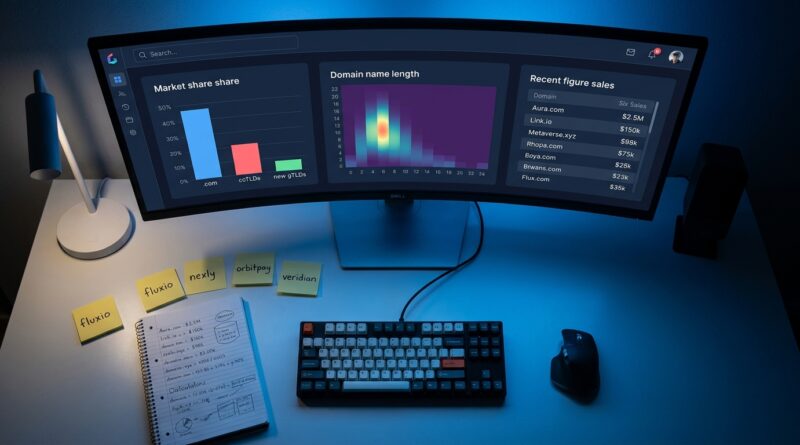
The 6‑Character Sweet Spot: What 113,408 Recent Sales Just Revealed About High‑Value Domains In 2026
You are not crazy if the domain market feels harder to read right now. One day your feed says .ai is on fire. The next day quality .com names sit unsold for months. Meanwhile renewals keep coming, cash is tighter, and every extra hold costs real money. That is why recent sales matter more than hot takes. Looking at 113,408 reported domain sales from the last six months gives us something better than guesswork. It shows what buyers actually paid for, not what sellers hoped to get.
The biggest surprise is not that short names still win. It is where the sweet spot now sits for real liquidity. Across the strongest price bands, six-character domains showed a rare mix of buyer appeal, brandability, and available inventory. Not too short to be impossibly expensive. Not too long to feel clumsy. If you want to understand domain name sales trends 2026 without getting buried in hype, start here. The market is sending a clear signal.
⚡ In a Hurry? Key Takeaways
- The strongest blend of sell-through potential and end-user appeal in recent data sits around six characters, especially in clean brandable .com names.
- If you are buying today, focus on short, readable names with broad commercial use instead of chasing noisy extension hype.
- Do not tie up cash in weak long-tail names. In a tighter market, carrying costs can quietly eat your returns before an inquiry ever arrives.
What 113,408 recent sales actually tell us
Large sales samples are useful because they smooth out the weird stuff. A one-off six-figure .ai sale can make the whole market look hotter than it really is. But when you zoom out across more than 113,000 recent sales, patterns start to repeat.
Three stood out.
1. Short still matters, but ultra-short is not the whole story
Yes, 2, 3, and 4-character domains still command attention. That has not changed. The problem is they are scarce, pricey, and often already locked away in strong hands. For most investors and founders, that part of the market is more museum than supermarket.
What changed is the practical sweet spot just below that premium tier. Six-character names kept showing up in the range where real businesses can still buy, and investors can still source inventory without lighting money on fire.
2. Six characters hit a balance buyers seem to like
Why six? Because it often gives enough room for a proper brand without drifting into awkward territory. Think of names that are easy to say, easy to spell, and do not look cramped. Five can work brilliantly. Seven can also sell. But six seems to land in a very comfortable middle.
It is long enough to support invented brands, punchy keyword blends, and clean startup names. It is short enough to feel premium.
3. Extension still matters more than social media wants to admit
.com remained the center of gravity in value terms. That is not a sexy answer, but it is the honest one. Buyers still trust it. Boards still approve it. Customers still remember it.
That does not mean other extensions are dead. Far from it. Certain niche extensions are doing better when they match a clear use case. If you want a deeper read on that side of the market, The ‘Specialized TLD’ Goldmine: How Niche Extensions Are Quietly Becoming 6‑Figure Category Killers Before 2027 is worth your time. The key is fit. Not fashion.
The 6-character sweet spot, explained in plain English
If you are wondering whether this is just a cute theory, here is the practical reason it keeps showing up.
Six-character domains sit in the zone where three forces overlap:
- They are usually memorable enough for branding.
- They are often available in more forms than ultra-short names.
- They can still attract buyers without requiring top 1 percent budgets.
That overlap matters in a slower market. When money is loose, people buy stories. When money tightens, they buy names they can actually use.
A six-letter or six-character domain often feels finished. It looks clean in a logo. It fits on a phone screen. It sounds natural in conversation. That is not a tiny detail. It is often the difference between “interesting asset” and “I can build a company on this.”
What sold by TLD, price band, and length
Here is the broad lesson from recent domain name sales trends 2026.
.com
.com still dominated higher-value transactions. It held the strongest position in five-figure and above sales, especially when paired with short lengths and broad commercial meaning. If a name was six characters, pronounceable, and flexible across industries, it had a much stronger chance of attracting serious end-user interest.
.ai
.ai kept producing flashy public sales, but the market around it looked noisier than many buyers admit. Good names still move. Weak names do not get saved by the extension alone. Investors who bought any random tech-ish string with “AI vibes” are learning that the hard way.
Other specialized TLDs
Some niche extensions showed life where the keyword and audience lined up well. That means category fit is becoming more important than broad speculation. A specialized extension with a clear buyer pool can outperform a generic weak name in a bigger extension.
Longer names
Longer names still sold, of course. But the sell-through story was less attractive. Once you push too far past six or seven characters, especially without a strong keyword, the odds often get worse. Buyers become pickier. And they should.
Why investors keep missing this shift
Because public chatter rewards outliers.
People post the dramatic flip. They do not post the 48 names they renewed for three years without a single reply. That creates a bad mental model. You start thinking the market loves whatever is trending on your timeline, when the actual market is quietly buying cleaner, simpler names.
This is where many portfolios drift into trouble. Owners fill them with speculative leftovers, hoping one lucky sale saves the batch. In a high-carry environment, that is risky. A portfolio full of “maybe someday” names can become a pile of annual fees very quickly.
How to use this data if you are buying now
You do not need a giant budget. You need better filters.
Start with pronounceability
If someone hears the name once, can they spell it? If they see it once, can they say it? Six-character names shine here because they often pass both tests without trying too hard.
Prefer broad commercial use
A name tied to one tiny trend can work, but it also ages badly. A stronger target is a domain that could fit software, finance, health, media, or services without sounding strange.
Watch renewal drag
This one gets ignored until it hurts. If you own 100 average names, your yearly carrying cost can quietly become the main story. Better to own fewer names with cleaner demand signals than a large pile of weak guesses.
Do not confuse scarcity with liquidity
A rare name is not automatically a liquid one. Some names are unusual because they are valuable. Others are unusual because nobody wanted them. Recent sales data helps separate the two.
What founders should take from this
If you are choosing a brand domain for a startup, this is actually good news.
You do not always need the impossible three-letter prize. You need something clear, credible, and usable. A six-character .com that sounds natural can be a very smart buy. It often gives you a premium feel without needing a seven-figure budget.
And if the perfect .com is out of reach, a strong specialized extension can still work if it matches your audience and category. Just make sure you are choosing based on customer trust and business fit, not because social media made it look cool for a week.
At a Glance: Comparison
| Feature/Aspect | Details | Verdict |
|---|---|---|
| 6-character domains | Strong mix of affordability, brandability, and end-user appeal across recent sales. | Best current sweet spot for many buyers. |
| Ultra-short names | Still premium and valuable, but scarce and often too expensive for practical acquisition. | Great if you can get one. Not realistic as a main strategy. |
| Trend-driven extension bets | Can produce eye-catching wins, but weak names in hot extensions often lack steady buyer demand. | Use carefully. Fit matters more than hype. |
Conclusion
The useful part of this story is not that one magic number solves domain investing. It is that recent data gives you a much clearer map than hype ever will. Right now, that map points strongly toward clean, commercially useful six-character domains, especially in .com, with specialized extensions working best when they match a real niche. That matters because aftermarket liquidity is tighter and carrying costs are less forgiving. Investors and founders cannot afford to park cash in names that never earn a serious inquiry. A data-grounded view of what sold in the last six months, by TLD, price band, and character length, helps you stop copying old playbooks and start buying for today’s demand curve instead.