The .PAY Land Grab: How Payment Brands Can Lock In Trust Before This New TLD Goes Mainstream
You can do everything right at checkout and still lose the sale because the payment link feels sketchy. That is the frustration. A customer is ready to pay, then pauses at a long, clunky URL or a branded subdomain that looks like it was stitched together in a hurry. In payments, trust lives in tiny details. The domain name is one of them. That is why the .pay domain sunrise matters more than it may seem at first glance. This is not just another shiny web extension. It is a short, obvious label that tells people, “yes, this is where payment happens.” And right now, while Sunrise and early access are open, brands have a narrow chance to claim the names they will wish they had secured later. Move too slowly, and the cleanest, most credible .pay names could be gone for years, or cost a fortune to get back.
⚡ In a Hurry? Key Takeaways
- The .pay domain sunrise is the best window for payment brands to secure short, trust-focused names before public registration gets crowded.
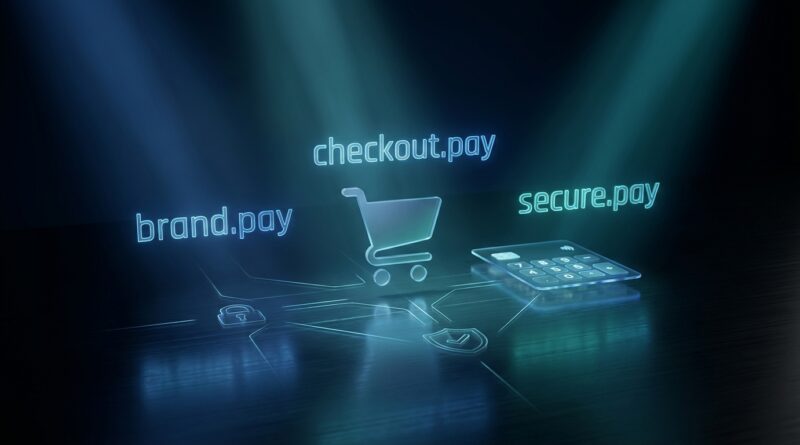
- Prioritize defensive names first, your brand.pay, checkout.pay, invoices.pay, and region-specific variants you actually plan to use.
- Do not buy random speculative names. Use .pay only where it improves clarity, security signals, and customer confidence at payment time.
Why this matters right now
Sunrise is the early phase where trademark holders and qualifying brands get first pick. Think of it as the orderly part of the rush. Once that phase passes and general access opens up, the market usually gets noisier, more expensive, and a lot less rational.
That is especially true for payments. Clean names are scarce. Trust is fragile. And the best names are often the shortest ones. If you run a fintech app, a billing platform, a PSP, a crypto-fiat on-ramp, or even a large online store with serious checkout volume, this is one of those timing moments worth paying attention to.
If you want the broader strategic case, The .PAY Wake‑Up Call: Why Transaction‑First Domains Just Became 2026’s Most Overlooked Fintech Moat makes the point well. Checkout trust is often won or lost before the customer even reads the page.
What the .pay domain sunrise actually gives you
First shot at the obvious names
The best .pay names are not complicated. They are names people can understand in one glance. YourBrand.pay. Secure.pay. Bills.pay. Those are the ones brands want because they are easy to remember and hard to misread.
A cleaner trust signal
Customers do not all understand SSL certificates or DNS settings. But they do notice words. “.pay” is plain English. It tells them what this destination is for. That clarity can help when someone is deciding whether to finish a card payment, approve an invoice, or tap an Apple Pay or Google Pay button in your flow.
A defensive move against copycats
If your business handles money, fraudsters notice. A matching .pay name gives you one more asset to protect your brand and reduce confusion. It is not magic. You still need proper security, DMARC, monitoring, and smart redirects. But it is easier to defend a clear official name than explain why customers should trust a weirdly long one.
Who should care most
Not every company needs a .pay domain. But some should be taking this very seriously.
Fintech brands
If your product touches transfers, wallets, merchant acceptance, BNPL, payroll, remittance, or subscriptions, .pay is a strong fit.
SaaS billing and invoicing platforms
If you ask users to visit a portal to pay invoices, add cards, settle balances, or review receipts, a focused payment domain can reduce friction.
E-commerce and marketplaces
Large stores and multi-vendor platforms can use .pay for direct checkout, payment support, invoice payment, and customer education pages.
Agencies and software vendors serving payment-heavy clients
If you build checkout systems for others, now is the time to advise clients before the easiest names disappear.
Who should slow down before buying
There is a trap here too. A lot of businesses will rush in and buy names they never use.
Companies with no payment touchpoint
If your brand never asks customers to make payments directly, a .pay domain may add confusion rather than trust.
Small businesses with one simple checkout path
If Stripe Checkout on your main .com works well and customers already trust it, you may not need a new extension right now.
Anyone chasing vanity names
Do not spend big just because a word sounds cool. A domain is useful when it makes the customer journey clearer. Not when it just looks clever in a pitch deck.
Your practical playbook for .pay domain sunrise
1. Start with names you must defend
Make a short list in this order:
- Your exact brand name
- Your most common brand abbreviation
- Your main product names tied to billing or checkout
- High-risk typo variants, only if they are realistic and affordable
For many teams, that means claiming 3 to 10 names, not 50.
2. Separate “defensive” names from “use” names
This saves money fast. Defensive names are there to prevent misuse. Use names are the ones customers will actually see. A good example:
- Defensive: YourBrand.pay, YourBrandPayments.pay
- Customer-facing: checkout.yourbrand.com or pay.yourbrand.com redirecting to YourBrand.pay, depending on your setup
You do not need every version live on day one. But you should know which names are for protection and which ones support conversion.
3. Prioritize clarity over cleverness
The best names are boring in a good way. They make instant sense.
- brand.pay
- checkout.pay
- invoice.pay
- bill.pay
- merchant.pay
- secure.pay, if available and relevant
Avoid names that need explaining. If your customer has to think, you already lost a little trust.
4. Check whether trademark Sunrise rules apply to you
Sunrise phases usually favor trademark holders. That means your ability to register certain names may depend on matching legal rights and registry requirements. Get your legal and brand team involved early. This is not the part to wing.
5. Decide how .pay fits your stack
You have a few practical options:
- Use .pay as the main public payment destination
- Use it as a redirect to your existing secure checkout
- Use it for invoice collection, payment status, or billing help pages
- Use it only defensively, with no public rollout yet
For many brands, a redirect strategy is the easiest start. It gives you a trust-friendly front door without forcing a full infrastructure change overnight.
6. Put security before marketing
A nice domain does not fix bad security. If you launch a .pay property, make sure you also have:
- HTTPS everywhere
- HSTS enabled
- DMARC, SPF, and DKIM for related email flows
- Clear ownership signals on the payment page
- Monitoring for phishing and lookalike abuse
This is where some brands get sloppy. They buy the right domain and then leave the rest half-finished.
How to avoid overpaying for speculative junk
Stick to names tied to revenue or risk
Ask one simple question. Will this name either protect revenue, improve conversion, or reduce fraud risk? If the answer is no, skip it.
Do not confuse scarcity with value
Yes, short names are scarce. No, that does not mean every short .pay domain is worth buying. A one-word generic may be attractive, but if it does not map to your customer journey, it is just inventory.
Set a budget before the excitement starts
Sunrise and early access periods can trigger panic buying. Set your cap in advance. Divide it into three buckets:
- Must-have defensive names
- Customer-facing names you will launch in 12 months
- Nice-to-have names you can live without
If the must-have list eats the budget, that is fine. Those are the names that matter.
How .pay can improve trust, not just branding
Shorter links in emails and invoices
People are right to be suspicious of payment emails. A short, branded .pay link can be easier to verify at a glance than a long subdomain buried in tracking parameters.
Clearer payment handoffs
Many SaaS products send users from app screens to payment pages, hosted invoicing pages, or billing portals. A .pay domain can make that handoff feel more intentional and official.
Better support conversations
Support teams love simple instructions. “Go to Brand.pay” is easier than reading out a long billing URL over the phone or chat.
That said, use restraint. If every support page, blog page, and help article suddenly moves to .pay, you weaken the signal. Save it for payment moments.
Common mistakes brands make
Buying too many names
More domains do not automatically mean more protection. Sprawl creates renewals, admin overhead, and gaps in configuration.
Launching with inconsistent branding
If your checkout page on .pay looks different from your core site, that trust gain can disappear. Keep logos, colors, legal info, and support contact details consistent.
Forgetting mobile behavior
A huge share of payments happen on phones. Test how your .pay links look in messages, email previews, mobile browsers, and password managers.
Assuming customers already understand .pay
Some will. Some will not. You may need a simple line of copy like, “You are on our official secure payment site.” Small reassurance goes a long way.
At a Glance: Comparison
| Feature/Aspect | Details | Verdict |
|---|---|---|
| Best use case | Fintech, billing, checkout, invoice collection, merchant payment flows | Strong fit if payments are core to the customer journey |
| Buying strategy during Sunrise | Claim brand-critical and customer-facing names first, skip random generics | Be selective, fast, and budget-aware |
| Trust and security value | Can improve clarity and confidence, but only when paired with solid security and consistent branding | Helpful signal, not a substitute for real security |
Conclusion
The .pay domain sunrise is not a must-buy for every business, but for payment-heavy brands it is a rare, time-boxed chance to lock in names that directly affect trust at the moment money changes hands. That is the key. This is less about novelty and more about reducing hesitation, blocking copycats, and making your payment path feel obvious and legitimate. If you treat .pay as part of your security and conversion plan, not just a branding toy, it can earn its place. Start with the names you truly need, map them to real customer journeys, keep your budget tight, and use the extension where it sends the clearest possible signal. Done right, you will come away with a practical playbook for deciding whether .pay fits your stack, which names to grab first, how to avoid wasting money, and how to turn a domain into one more reason customers feel safe clicking “pay now.”